B.Tech. Marine Engineering Build Your Career at Sea
Build a strong foundation in marine machinery, propulsion systems, shipboard engineering, maintenance and maritime safety. Explore Marine Engineering as a professional pathway for students who want to work with the technical systems that keep ships operating at sea.
What is Marine Engineering?
Marine Engineering is the engineering discipline focused on the machinery, propulsion, power generation and technical systems used aboard ships and other marine vessels.
IMU describes its B.Tech. Marine Engineering programme as a four-year residential undergraduate engineering programme covering theoretical and practical aspects of marine machinery and shipboard engineering systems.
Why Choose Marine Engineering?
- Study marine machinery and propulsion systems
- Understand shipboard engineering operations
- Develop practical and technical problem-solving skills
- Learn maintenance and machinery safety practices
- Prepare for a professional engineering environment at sea
Learn How Ships Operate
Marine Engineering education combines engineering fundamentals with specialized marine machinery, shipboard systems, practical training and maritime safety.
Marine Machinery
Understand the machinery systems used for propulsion, auxiliary services and day-to-day ship operations.
Marine Engines
Study marine internal combustion engines, operating principles, maintenance and engineering practices.
Marine Boilers
Develop knowledge of boilers, steam systems and associated shipboard engineering operations.
Maintenance
Learn preventive maintenance concepts, machinery inspection and safe engineering practices.
Electrical Systems
Understand the fundamentals of electrical and technical systems required for modern vessel operations.
Safety & Emergency
Develop awareness of shipboard safety, emergency response, firefighting and safe working procedures.
Marine Engineering Eligibility
The following reflects the current IMU programme information for B.Tech. Marine Engineering. Admission rules can change by academic session, so candidates should verify the latest official prospectus.
🎓 10+2 Qualification
Candidates should have completed 10+2 or equivalent with Physics, Chemistry and Mathematics as mandatory subjects from a recognized board.
📐 PCM Requirement
IMU currently lists a minimum 60% average in Physics, Chemistry and Mathematics for its B.Tech. Marine Engineering programme.
📖 English Requirement
IMU currently lists a minimum of 50% marks in English in the qualifying examination as part of the eligibility criteria.
🩺 Medical Fitness
Candidates entering marine programmes must satisfy applicable maritime medical fitness requirements and provide the required medical certificate.
👁️ Eyesight Standards
Marine engineering sea-going careers have applicable eyesight and medical standards. Candidates should complete assessment through a DG Shipping-approved medical practitioner.
🛂 Passport
IMU strongly advises candidates joining marine programmes to have a passport or at least apply for one at the time of admission.
What You Study
The Marine Engineering curriculum combines engineering fundamentals with specialized subjects related to ship machinery and technical operations.
Marine Machinery
- Marine Machinery Systems
- Marine Machinery Design
- Marine Auxiliary Systems
- Shipboard machinery operations
- Maintenance principles
- Machinery safety
Marine Propulsion
- Marine Internal Combustion Engines
- Marine Turbo Machinery
- Marine Steam Plant
- Propulsion systems
- Engine operation
- Performance fundamentals
Engineering Fundamentals
- Thermodynamics
- Fluid mechanics
- Engineering mechanics
- Heat transfer
- Electrical fundamentals
- Engineering materials
Practical & Safety Training
- Workshop practices
- Marine simulator exposure
- Shipboard safety
- Emergency response
- Fire prevention and response
- Professional discipline
From Engineering Theory to Shipboard Practice
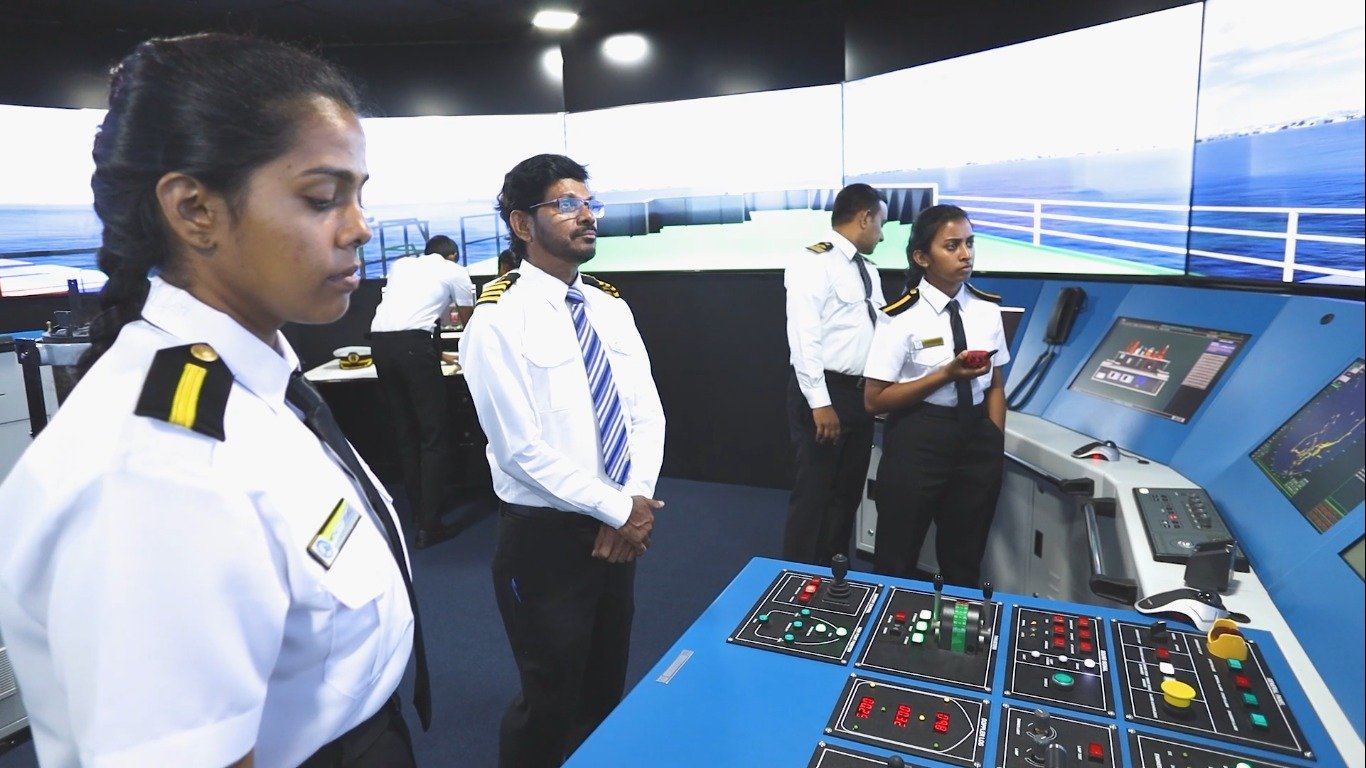
Marine engineering is a practical profession. Along with classroom learning, students develop familiarity with machinery, engineering systems, safety procedures, workshops and simulated shipboard environments.
IMU highlights practical and theoretical learning in areas such as marine machinery, marine engines, boilers, steam plants, simulators and machinery systems.
Skills That Matter at Sea
- Technical problem solving
- Machinery monitoring
- Preventive maintenance awareness
- Emergency response
- Safety-conscious working
- Teamwork and communication
Your Journey Towards a Marine Engineering Career
A sea-going marine engineering career involves academic education, applicable training and certification, medical fitness, practical experience and meeting the requirements for the intended role.
Explore Opportunities in Marine Engineering
Graduates who complete the applicable requirements can explore opportunities across shipboard engineering and the wider maritime industry.
Why Students Choose This Field
- Engineering-focused maritime career
- Exposure to advanced ship machinery
- Practical technical learning
- International maritime environment
- Strong emphasis on safety and discipline
- Opportunities for continued technical development
Start Preparing for Your Maritime Engineering Journey
Choosing Marine Engineering requires more than academic preparation. Students should understand entrance requirements, medical fitness, course structure, training expectations and the certification pathway before selecting an institute.
Officer Maritime Academy can guide aspirants with maritime course selection, IMU-CET preparation, eligibility understanding and career planning.
Marine Engineering FAQs
What is Marine Engineering?
Marine Engineering deals with the design, operation, maintenance and management of machinery and technical systems used aboard ships and other marine vessels.
How long is B.Tech. Marine Engineering?
IMU currently describes its B.Tech. Marine Engineering programme as a four-year residential undergraduate engineering programme.
What subjects are required for Marine Engineering?
For the IMU B.Tech. Marine Engineering route, candidates need 10+2 or equivalent with Physics, Chemistry and Mathematics as mandatory subjects.
What percentage is required for Marine Engineering?
IMU currently lists 60% average marks in PCM and a minimum of 50% marks in English for B.Tech. Marine Engineering. Always verify the latest admission prospectus for your academic session.
Is medical fitness required for Marine Engineering?
Yes. Candidates joining marine programmes must meet applicable physical and medical fitness standards issued under the maritime regulatory framework and submit the required certificate from an appropriately approved doctor.
Is IMU-CET required for B.Tech. Marine Engineering?
IMU's current admission framework includes B.Tech. Marine Engineering among the undergraduate programmes associated with IMU-CET admissions. Candidates should check the current admission notification for the applicable year and route.
What does a Marine Engineer do on a ship?
Marine engineers are responsible for the operation, monitoring, maintenance and safe functioning of shipboard machinery and engineering systems, according to their rank, certification and assigned responsibilities.
Can Marine Engineers work ashore?
Yes. With relevant qualifications and experience, marine engineers may explore shore-based roles in areas such as ship management, technical operations, shipyards and other maritime organizations.
Ready to Explore Marine Engineering?
Get guidance on Marine Engineering eligibility, IMU-CET preparation, medical requirements, course selection and your maritime career pathway.
Disclaimer: Marine Engineering admission eligibility, age limits, medical standards, entrance requirements, institute approvals and certification pathways may change. The information on this page is intended for educational guidance and should be verified against the latest official IMU, Directorate General of Shipping and relevant institute notifications. Course information does not guarantee admission, sponsorship, employment or salary.